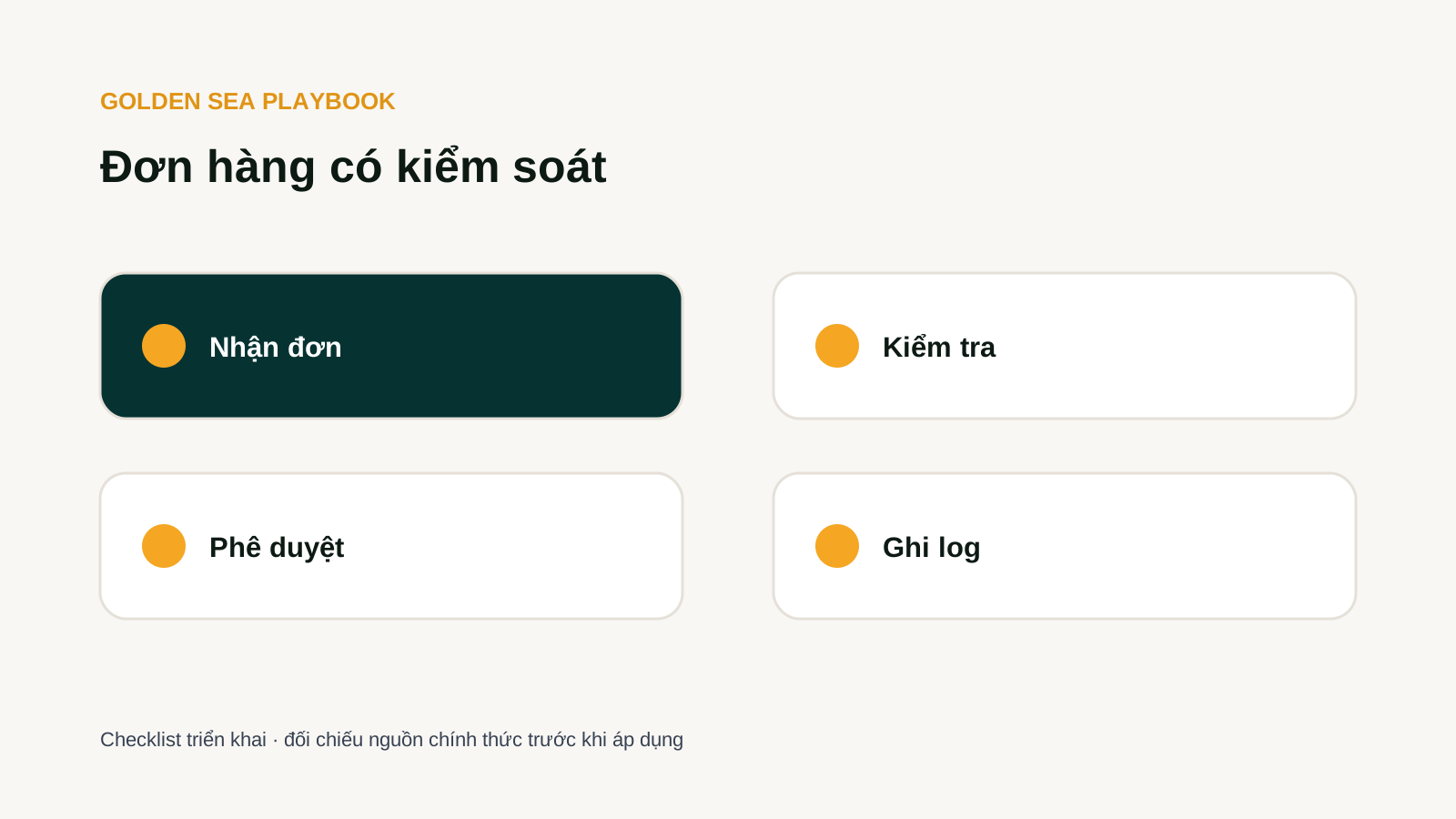

AI Order Automation with Logs and Human Approval is an implementation question before it is a paperwork question. The safe objective is not full autonomy. It is a traceable workflow in which deterministic rules handle known conditions, AI summarizes or classifies unstructured input, and an accountable person approves decisions with financial, contractual, safety, or customer-impact consequences.
What this guide covers
This article separates website implementation and operational controls from legal advice. Vietnam's e-commerce framework and public-service procedures can change, so a business should verify the current official sources and its specific model with the competent authority before filing or changing a live workflow.
Start with the real transaction flow
Document every actor, screen, decision, data field, message, and downstream system. A brochure page, quote request, booking form, checkout, seller account, refund request, and complaint form create different obligations and operational risks. The live interface, internal process, declared information, and customer communication must describe the same reality.
Separate deterministic rules from judgment
Use code for facts that can be tested exactly: required fields, dates, totals, duplicates, eligibility windows, ownership, and status transitions. Use AI for bounded work such as summarization, routing suggestions, or extracting structured fields. Keep human review where evidence conflicts, a policy exception is requested, or the outcome can change price, payment, access, liability, or a customer's rights.
Make evidence part of the product
Keep stable policy URLs, version history, timestamps, business-owned accounts, screenshots of the production flow, and logs that can reconstruct what happened. Logs should identify the workflow version, referenced input, rules triggered, AI output when applicable, approver, action taken, and final result without unnecessarily duplicating sensitive data.
Implementation checklist
- Map actors and the complete transaction or service flow.
- Confirm the applicable procedure using current official sources.
- Align legal identity, domain ownership, policies, forms, and customer messages.
- Define owners for content, operations, technical changes, and approvals.
- Test mobile, errors, retries, notifications, and escalation paths.
- Keep snapshots, logs, source references, and a dated change history.
- Review the setup whenever the domain, entity, payment method, product scope, or operating model changes.
SEO and GEO requirements
Compliance pages should remain crawlable, use stable descriptive URLs, and be linked from the footer and relevant transaction screens. Educational content should answer the primary question first, distinguish verified facts from implementation guidance, cite official sources close to important claims, and show a meaningful modified date. Structured data must describe visible content rather than imply government endorsement or guaranteed approval.
How Golden Sea can help
Golden Sea can map the workflow, design the information architecture, build the website or automation, implement tracking and approval checkpoints, and prepare consistent technical evidence. Golden Sea does not replace the competent authority or promise approval. The deliverable is a maintainable system whose public interface, data, policies, and operating process remain aligned.
This article is an implementation checklist, not legal advice for a specific filing. Verify current requirements and forms through official government sources before acting.