Short answer: An SME usually does not have a shortage of leads. The problem is that leads are scattered across forms, Zalo, the inbox, and an Excel sheet.
This article is for business owners, operations teams, and marketing teams that want websites, outsourcing, or AI automation to reduce manual work without losing control. The core idea: do not buy the name of a technology; buy an output that can be accepted, measured, and improved.
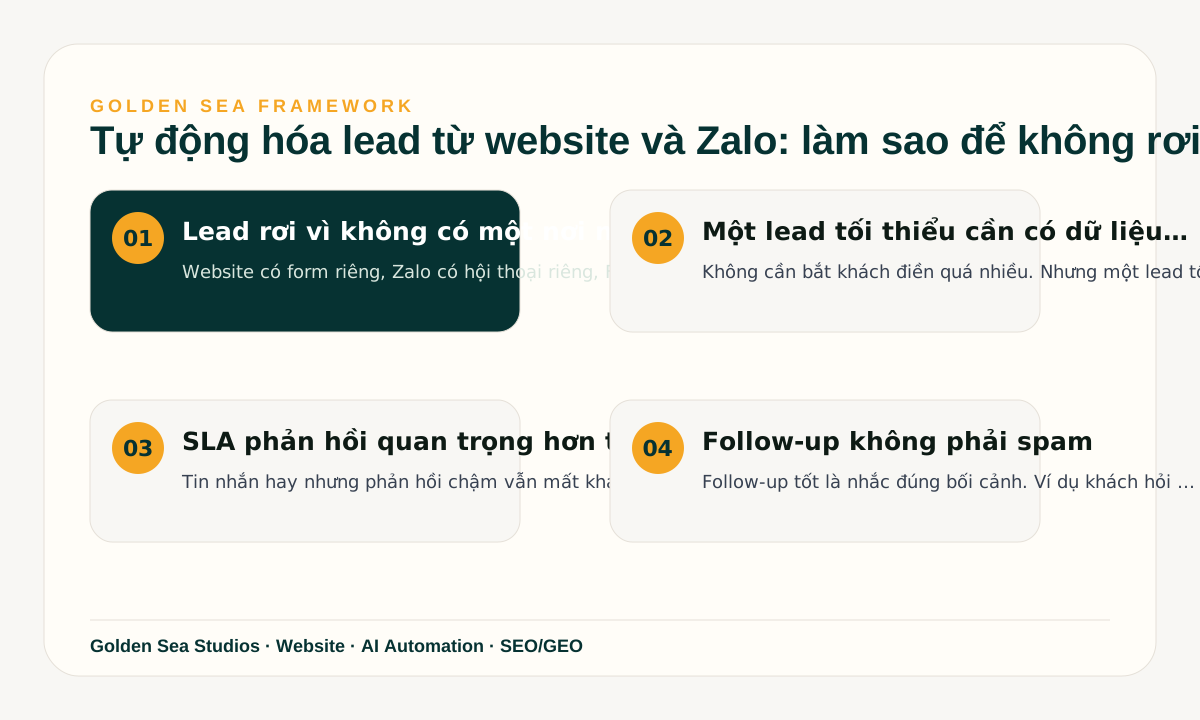
Leads leak because there is no single place to receive them
The website has its own form, Zalo has its own conversations, Facebook has its own inbox, and staff keep notes on their phones. When everything is scattered, the business cannot tell which lead is new, which is hot, who has already called, and which customer needs another reminder. Lead automation should start by pulling those signals into one clear place, and that does not have to be an expensive CRM on day one.
What a minimum lead record needs
You do not need to make the customer fill in much. But a usable lead should carry a name, a contact number, the source, the main need, how urgent it is, the service of interest, an owner, and a next step. Without the next step, a lead becomes a tidy row of data that never turns into revenue.
Quick checklist
- Define the input, output, and accountable owner.
- Mark cases that must be escalated to a human.
- Set acceptance criteria before choosing tools.
- Measure one operating metric before and after the pilot.
A response SLA matters more than a clever message
A clever message with a slow reply still loses the customer. For a service business, set a clear SLA: hot leads answered within minutes, leads needing a quotation gathered fully the same day, and unclosed leads given a scheduled reminder. AI can help classify and prompt, but a human operator should still review the conversations that matter.
Follow-up is not spam
A good follow-up matches the context. If the customer asked about scheduling, follow up with a schedule. If they asked about price, follow up with the option that fits. If they left too little information, ask one light question. When the system records the real need, follow-ups feel natural rather than mass-sent.
Reporting shows the owner where the bottleneck is
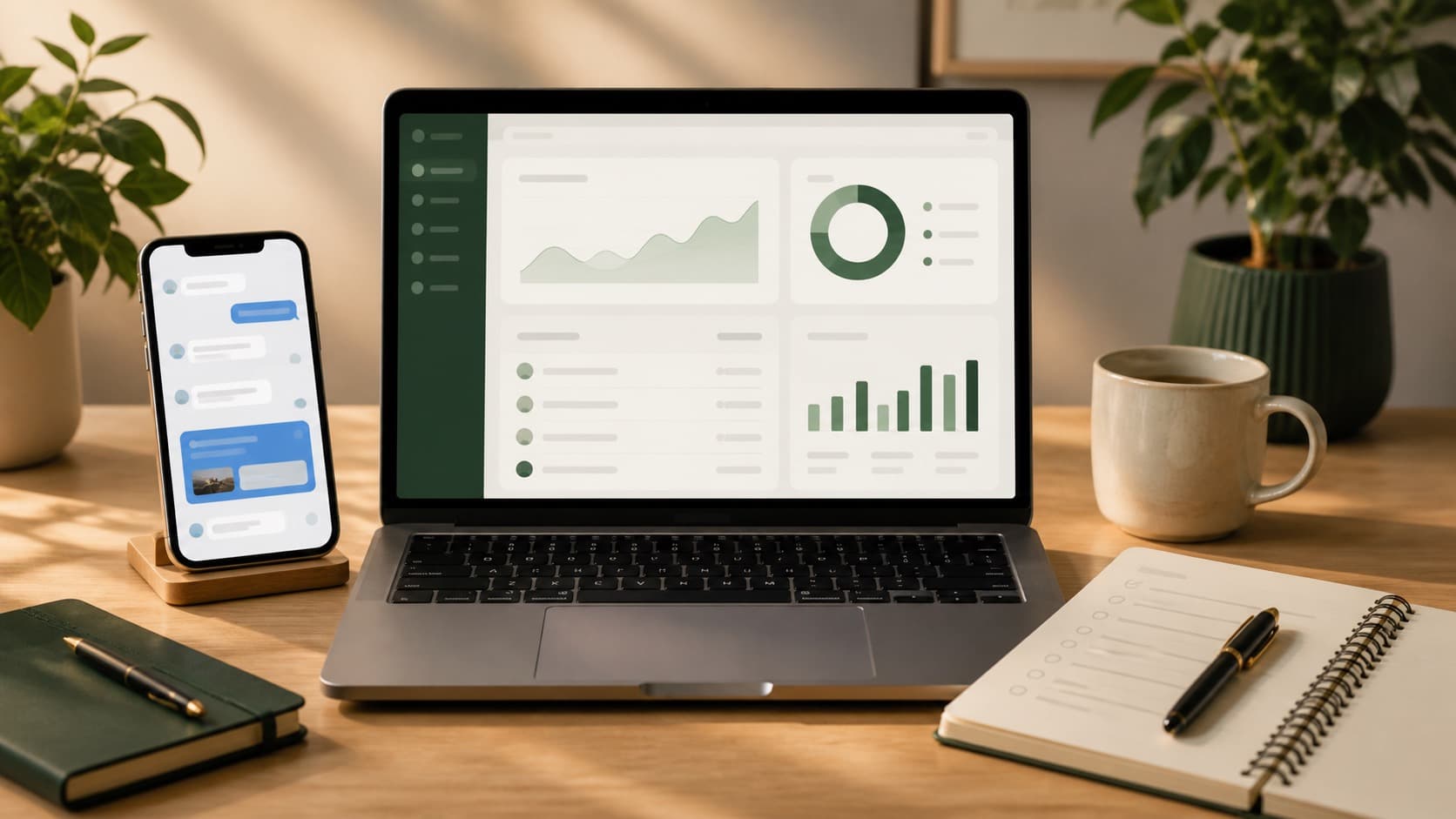
A lead report does not need to be complicated. It needs to show how many leads arrived this week, which source produced the most, how many had complete information, how many were called, how many are still unanswered, and why deals did not close. Those numbers tell you whether to fix the website, adjust the content, or coach the sales team.
When to use it, and when not to
Use it when
Use it when the workflow repeats often, someone owns approval, input data can be centralized, and the business knows which metric should improve: response time, qualified leads, handoff errors, manual admin hours, or missed follow-ups.
Do not use it when
Do not use it when the process changes every day, nobody owns quality control, internal policies are still unclear, or the business expects AI to take responsibility away from humans. In that stage, the first job is to document the workflow and quality bar.
How Golden Sea approaches this
Golden Sea does not recommend buying a large system immediately. A safer path is a focused pilot: one data flow, one user group, one monitoring dashboard, and one acceptance checklist. Once the pilot proves useful, the system can expand to more channels or deeper automation.
Golden Sea can help you build a minimum lead flow — receive, route, remind, and report — before you invest in a large CRM.
FAQ
Do we need a CRM before automating leads?
Not necessarily. An SME can start with a form, a Google Sheet, source tags, and a reminder schedule, then move to a CRM once volume grows.
Can AI classify leads on its own?
It can help sort them by need, urgency, and source, but a human operator should verify the results in the early stage.
Should we connect the website or Zalo first?
Connect whichever already produces the most real leads. If both do, bring them together into one shared sheet or dashboard.
Sources and limitations
The SEO/GEO recommendations in this article are based on Google's official guidance on helpful content and site clarity, plus NIST's AI risk management framework. Any internal performance numbers in future articles should come directly from GA4, Search Console, or CRM data, not estimates.
Read also: AI automation services, website and software services, software outsourcing Vietnam in the AI era.