
Short answer: AI automation should not be quoted like buying a tool. The price depends on the real process, the real data, and how much control you need to keep.
This article is for business owners, operations teams, and marketing teams that want websites, outsourcing, or AI automation to reduce manual work without losing control. The core idea: do not buy the name of a technology; buy an output that can be accepted, measured, and improved.
AI automation does not start with a tool
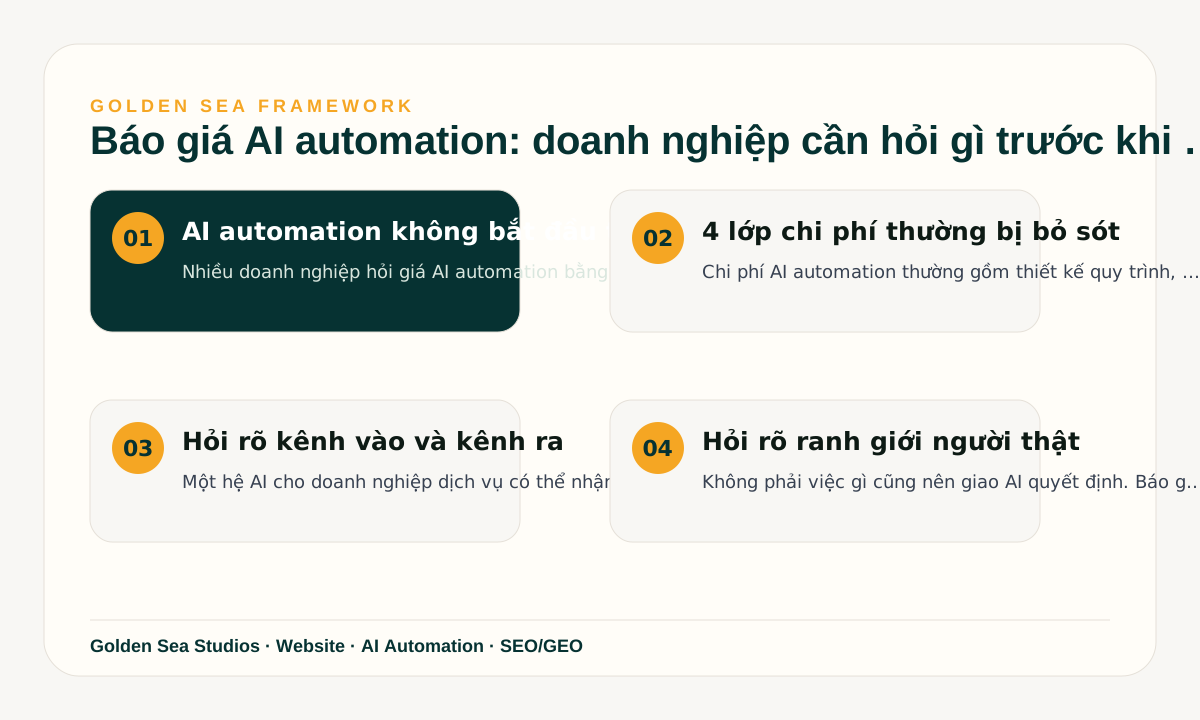
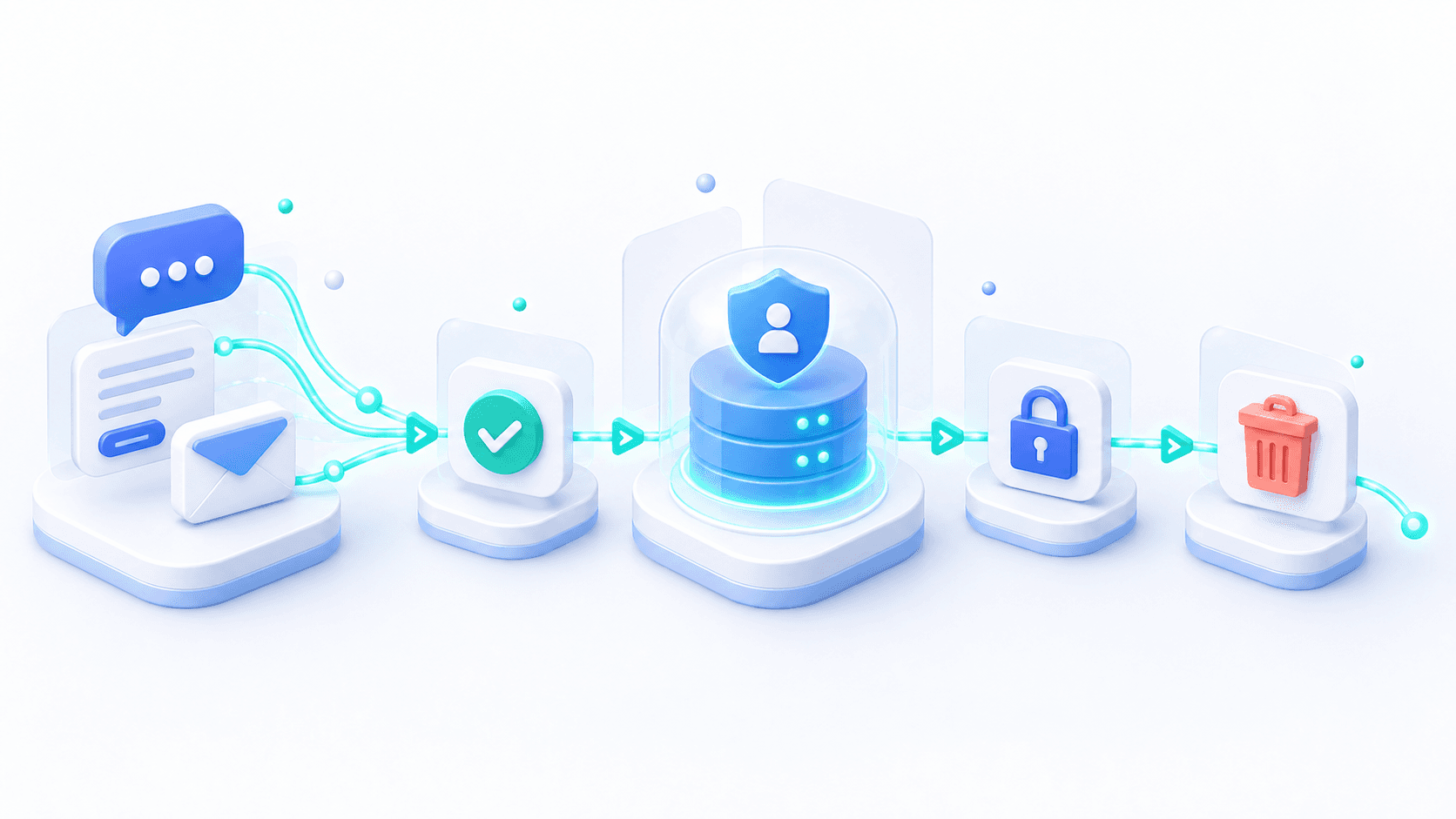
Many businesses ask about AI automation cost with the question "how much for a bot?". That framing leads to the wrong solution. The bot is only one part. The questions to ask first are where the data comes from, who processes it, when a human approval is required, where results are stored, and who receives the report. Until those five are clear, a quotation being cheap or expensive means nothing.
Four cost layers that are usually missed
AI automation cost usually covers workflow design, tool integration, building the knowledge base or sample data, and running the system after launch. The operating layer matters most, because AI is not a system you install and forget. Someone has to watch for errors, update scripts, review answers, and adjust when the product or service changes.
Quick checklist
- Define the input, output, and accountable owner.
- Mark cases that must be escalated to a human.
- Set acceptance criteria before choosing tools.
- Measure one operating metric before and after the pilot.
Ask exactly which inputs and outputs are included
An AI system for a service business can take data from the website, Facebook, Zalo, Google Sheets, a CRM, email, or an internal form. Outputs can be a notification to sales, a ticket for the technical team, a booking, a content draft, or an end-of-day report. Every extra channel adds complexity, so the quotation must state which channels it covers.
Ask where the human boundary sits
Not every task should be decided by AI. A good quotation shows which part AI proposes and which part a person approves. AI can classify leads, draft messages, prompt follow-ups, and collect feedback. Refunds, sensitive complaints, price commitments, and medical or financial advice must be checked by a person.
What a more trustworthy quotation looks like
A trustworthy quotation usually includes an input-data checklist, a flow diagram, a pilot timeline, go/no-go criteria, a monthly operating fee, and the conditions for scaling up. A quotation that lists modern tool names without any measurement criteria is usually the hardest one to accept on delivery.
When to use it, and when not to
Use it when
Use it when the workflow repeats often, someone owns approval, input data can be centralized, and the business knows which metric should improve: response time, qualified leads, handoff errors, manual admin hours, or missed follow-ups.
Do not use it when
Do not use it when the process changes every day, nobody owns quality control, internal policies are still unclear, or the business expects AI to take responsibility away from humans. In that stage, the first job is to document the workflow and quality bar.
How Golden Sea approaches this
Golden Sea does not recommend buying a large system immediately. A safer path is a focused pilot: one data flow, one user group, one monitoring dashboard, and one acceptance checklist. Once the pilot proves useful, the system can expand to more channels or deeper automation.
Golden Sea can audit your current flow first, then propose what should be automated and what still needs a person to approve it.
FAQ
How much does AI automation cost?
It depends on the number of channels, how clean the data is, the depth of integration, and the operating requirements. Ask for a quotation that separates setup from the monthly operating fee.
Is AI automation worth it for a small team?
Yes, if the team has clearly repetitive work that is easy to measure. Avoid it while the workflow still changes every day and nobody owns the approvals.
What is the monthly operating package for?
To watch for errors, update the data, adjust scripts, report on results, and keep the system from drifting once it runs on real traffic.
Sources and limitations
The SEO/GEO recommendations in this article are based on Google's official guidance on helpful content and site clarity, plus NIST's AI risk management framework. Any internal performance numbers in future articles should come directly from GA4, Search Console, or CRM data, not estimates.
Read also: AI automation services, website and software services, software outsourcing Vietnam in the AI era.