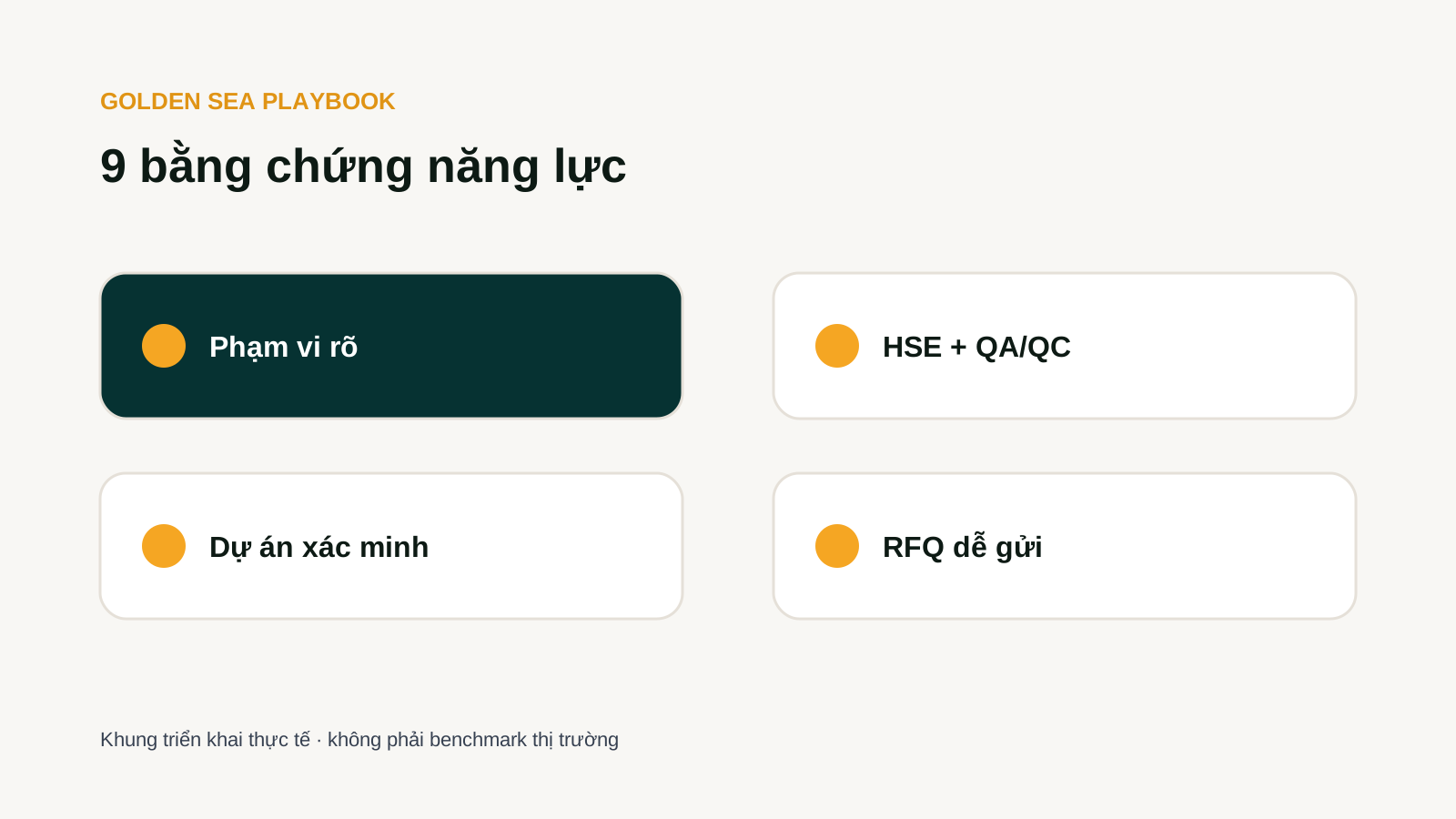

A capability website for a Vung Tau oil and gas contractor should let buyers verify nine areas quickly: legal identity, service scope, HSE, QA/QC, people, equipment, projects, mobilization, and RFQ ownership. A polished PDF that is hard to find, update, or read in English is no longer enough for a modern supplier-evaluation journey.
A capability system, not a brochure
B2B buyers need to establish fit, standards, evidence, and response ownership. The website should therefore structure capabilities, maintain document versions, identify evidence, and route RFQs to accountable people.
Nine proof points
- Verifiable legal identity, service area, domain email, and contact ownership.
- Specific capability pages organized around actual buyer jobs.
- HSE policies and practices described within the contractor's real scope.
- QA/QC checkpoints, non-conformance handling, inspection, and handover methods.
- Workforce capacity described by role, qualification, and mobilization model.
- Equipment type, purpose, access model, and calibration status where relevant.
- Projects with accurate scope, role, timeframe, and permission to disclose.
- Realistic mobilization coverage and response principles.
- A secure RFQ flow that confirms receipt, routes ownership, and tracks status.
Suggested information architecture
Use a homepage for positioning and proof, dedicated capability pages, HSE and QA/QC pages, a permitted project library, a resource area, and a focused RFQ page. Each capability page should link to relevant evidence and the correct technical contact path.
English is not an appendix
The English version needs dedicated server-rendered URLs, industry-appropriate editing, metadata, FAQs, alt text, internal links, canonical, hreflang, and sitemap inclusion. A translated PDF inside an otherwise Vietnamese journey does not provide a complete buyer experience.
Photography rules
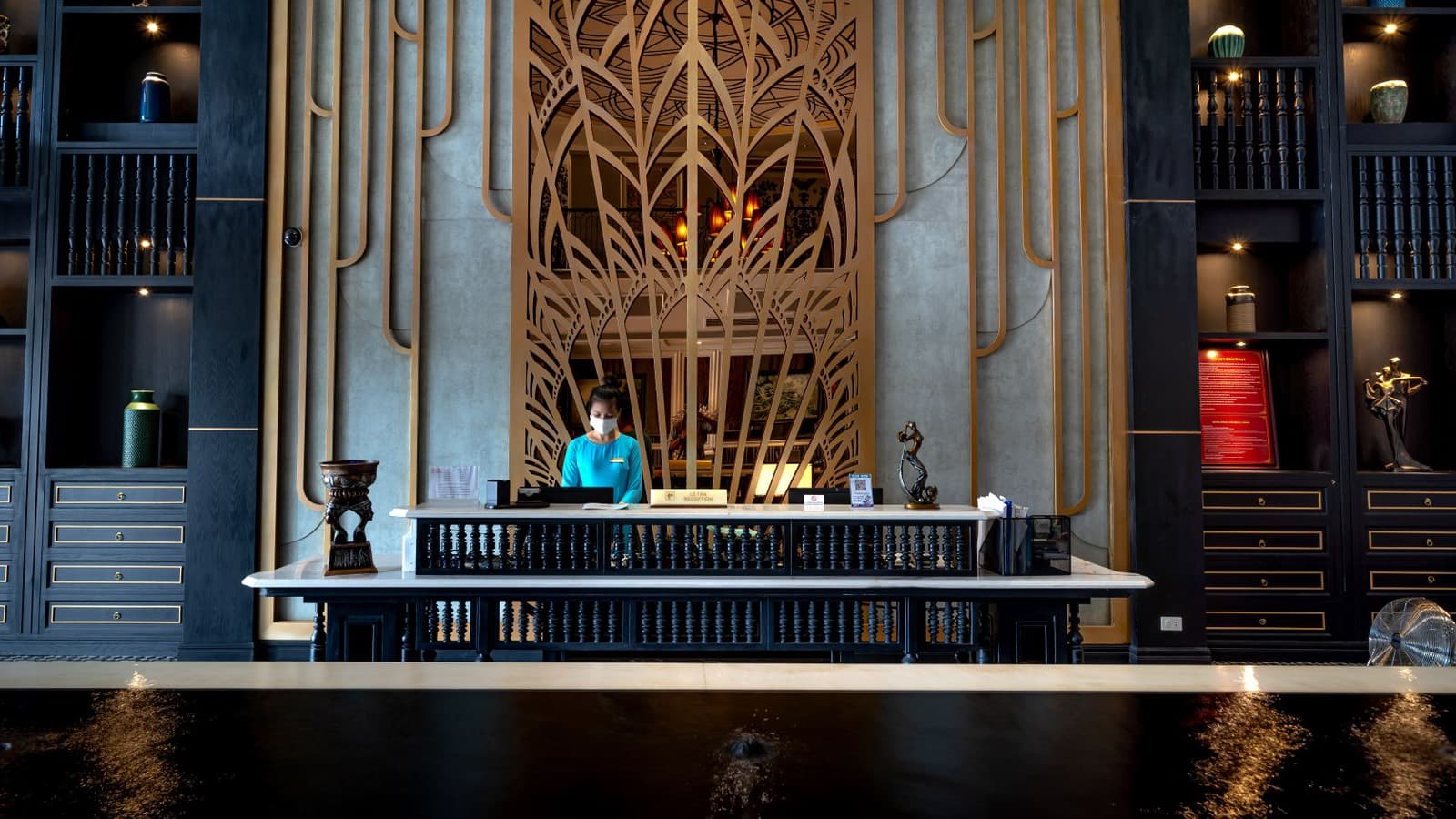
Prefer authorized real equipment, sites, and team photography. Do not use AI-generated workers as proof. Stock photography may establish context but must never be captioned as a real project. Diagrams and tables should be rendered deterministically so labels and facts remain accurate.
Measure qualified action
Track capability-page impressions, document downloads, valid RFQs, response time, and correct routing rather than total traffic alone. A low-volume B2B site can be valuable when the right buyers find verifiable information and submit usable requests.
Where Golden Sea fits
Golden Sea can build bilingual capability sites, project libraries, content management, RFQ forms, tracking, and request-classification workflows. Work begins with existing evidence and does not invent cases or performance figures.
Conclusion
A strong contractor website is precise, evidenced, and maintainable. These nine proof groups support local discovery, international AI search, and accountable RFQ operations without turning the site into generic advertising.