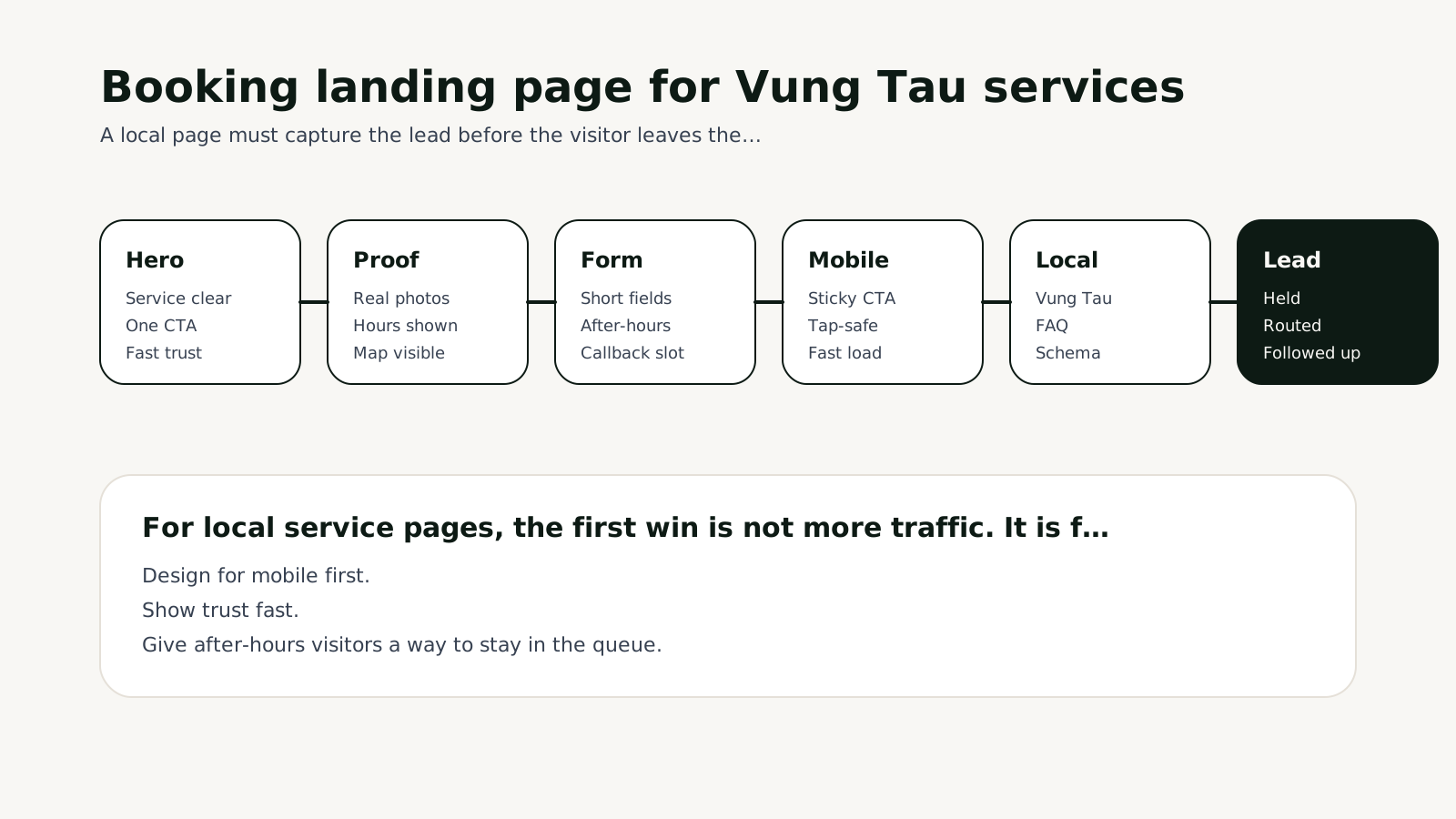
Short answer: A booking landing page for a spa or clinic in Vung Tau does not need heavy visual effects. It needs three survival layers: mobile-first design because most demand arrives on phones, a visible call or booking CTA within the first few seconds, and an after-hours capture mechanism such as a short form, Zalo, callback, or time-slot request so the lead does not disappear after the first visit.
Why this topic matters on Thursday, August 6, 2026
The local signal is clear this week: VnExpress published an August 3, 2026 article about check-in spots around VnExpress Marathon Vung Tau 2026, which points to incoming movement and event-driven demand before the late-August race. For spas, clinics, and wellness businesses, those peaks usually mean more after-hours leads.
Two booking landings for spas and clinics are already built so you can walk the flow: Serene Spa and Lotus Aesthetic Clinic. The matching price sits under the Landing Page package.
At a broader behavior level, Vietnamese users spent 704 million hours on AI apps in the first half of 2026 according to VnExpress on August 3, 2026. That does not directly describe landing pages, but it confirms a useful context: customers are increasingly comfortable with digital-first interactions and expect faster responses.
Golden Sea already has posts about missed calls, inbox SLA, and after-hours booking audits. This article extends that cluster into the local web and UX layer: before adding deeper automation, the landing page itself has to hold the lead on first contact.
Golden Sea decision framework
| Component | Minimum requirement | If missing |
|---|---|---|
| Hero section | Clear service name plus book-now or call-now CTA | Visitors do not know what to do first |
| Trust block | Address, opening hours, real photos, reviews, clinician or technician proof | The page feels generic and less credible |
| After-hours form | Short form plus preferred slot and callback option | The lead leaves after browsing |
| Mobile UX | Sticky call, Zalo, or booking button | CTA stays hidden or too small |
| Local SEO | Location mentions, map, schema, and FAQ | The page stays weak for local-intent queries |
What to lock before implementation
- Keep the hero short with one clear service-specific CTA.
- Show the Vung Tau address, opening hours, and booking method clearly.
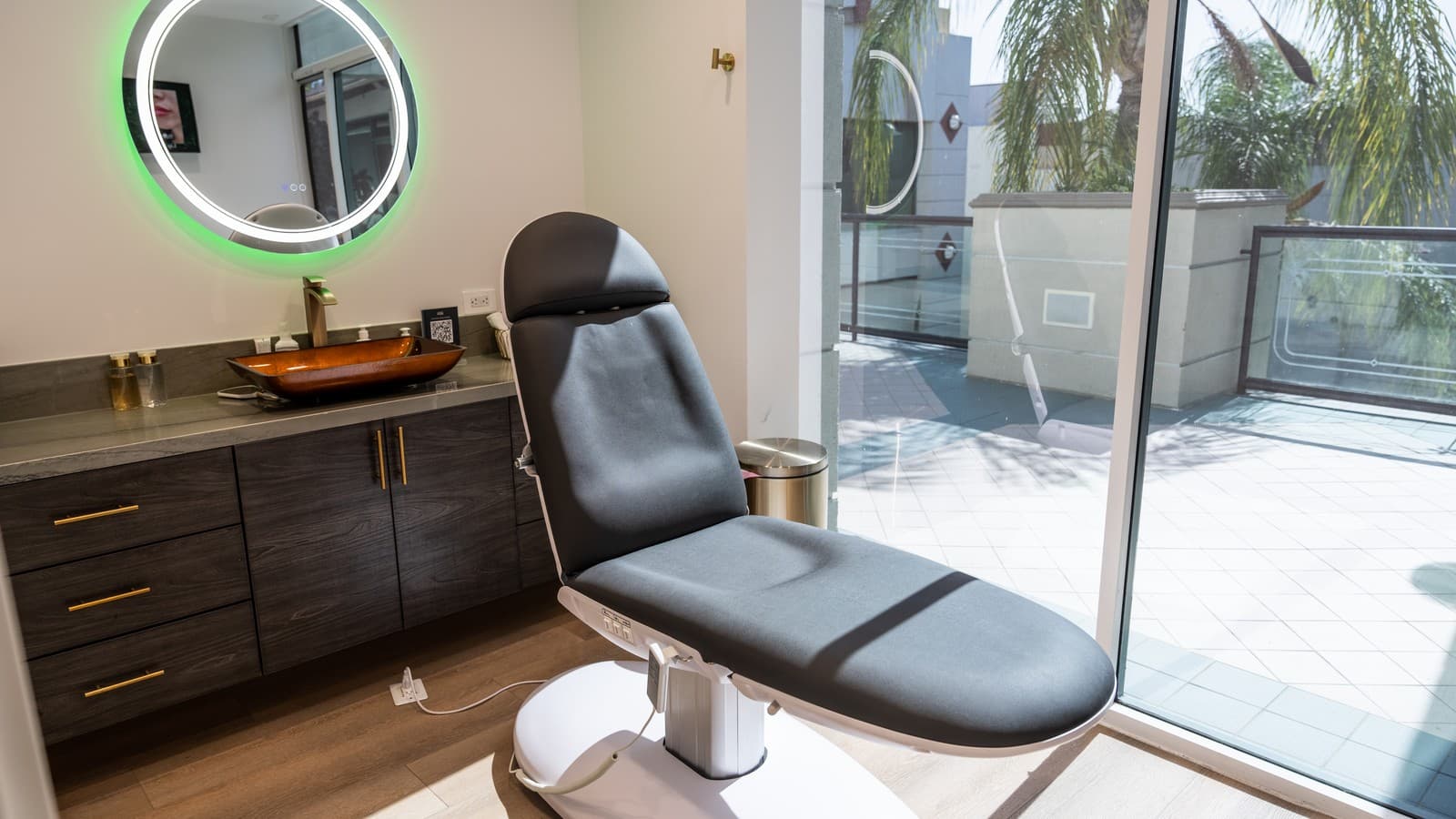
- Use real photos or deterministic visuals instead of vague stock imagery.
- If there is no chatbot yet, use a short after-hours form with next-morning callback.
- Add FAQ around indicative pricing, session length, and rescheduling policy.
Where teams usually buy the wrong thing
- Trying to sell too many services on one local landing page.
- Using long forms or intrusive popups that hurt mobile completion.
- Missing local trust signals, making the page feel like a generic ad page.
- Offering chat only with no backup capture path when nobody is online.
- Skipping map, opening hours, and appointment FAQ.
A practical 30-day rollout
| Week | Action | Output |
|---|---|---|
| Week 1 | Pick one hero service and dedicate one landing page to it | Focused page brief |
| Week 2 | Write local copy, FAQ, and trust blocks | Local landing-page content |
| Week 3 | Design mobile-first and connect form, call, and Zalo | Working page |
| Week 4 | QA speed, CTA, callback flow, and local schema | Live local LP |
A simple real-world diagnosis test
In practice, this kind of problem rarely shows up as a dramatic outage. It usually appears as rising hidden cost: leads that stop halfway, operators doing more manual work than they should, or the same workaround returning every week. For a topic like landing page dat lich spa clinic vung tau, the right question is not whether one screen looks better. The right question is whether the underlying workflow becomes easier to run and easier to improve.
A useful diagnosis is to ask four questions. First, if volume doubled next week, where would the process break first? Second, who owns the outcome rather than merely touching the tool? Third, if a lead or booking disappears, can the team identify the exact step where it was lost? Fourth, which part of the current setup is still temporary but already being treated like long-term infrastructure? Those answers usually clarify the right buy-versus-build direction quickly.
What should be measured after 14 days?
After two weeks, the goal is not a vague feeling that things look smoother. A business should review at least three operating signals. First is speed: response time, handling time, or the time from visit to the primary action. Second is quality: error rate, customer re-question rate, or how often the team must manually override the system. Third is continuity: whether the process still works when the main owner is away for a day.
When speed, quality, and continuity improve together, the decision is probably working. If speed improves while rework climbs, that is not real efficiency. If the page looks better but lead signal does not improve, that is surface change only. For SEO and GEO-oriented topics, teams should also check whether titles, FAQ, CTA, and internal-link paths now make the page easier for both people and AI systems to understand.
What breaks when teams choose the fastest-looking option
For local spas and clinics, after-hours lead loss is often silent. Customers do not complain. They simply book somewhere else. That is why the landing page must be treated as a lead-retention layer, not just an ad destination.
If traffic is pushed into a page with weak CTA, low trust, and no after-hours capture path, media budget gets burned on clicks that never return. The problem is not only ads. It is the inbound web experience.
Golden Sea point of view
Golden Sea treats a local landing page as a service-operations problem, not only a design problem. The page should help the customer decide in the first seconds and help the team avoid losing the lead after hours.
That is also why local SEO, UX, and AI follow-up work best as a cluster instead of as disconnected tasks.
FAQ
Read next: After-hours booking-flow audit for Vung Tau · 15-minute missed-call follow-up playbook · App & Web Development service